%2011.50.25.png)
As inspeções estaduais são um dos eventos mais estressantes no calendário de um centro-dia para idosos. Os fiscais podem aparecer sem aviso prévio. Eles analisarão os registros dos participantes, observarão o atendimento em tempo real, entrevistarão a equipe e inspecionarão suas instalações físicas. Uma irregularidade pode desencadear um plano de ação corretiva, afetar sua licença e, em casos graves, impactar seu contrato com o Medicaid.
A boa notícia é que os centros que lidam bem com as inspeções não são aqueles que se desesperam para se preparar quando um fiscal entra pela porta. São aqueles que tornaram a conformidade parte de sua operação diária.
Veja como chegar lá.
Saiba o que os fiscais estão realmente procurando
As regulamentações estaduais para centros-dia para idosos variam, mas a maioria das inspeções cobre as mesmas áreas principais: atendimento e planejamento de cuidados aos participantes, qualificações e proporções da equipe, programação de atividades, gestão de medicamentos, registro de incidentes, ambiente físico e segurança, e direitos dos participantes.
Seu primeiro passo é ter em mãos as regulamentações específicas do seu estado para centros-dia e conhecê-las bem. Se você não tiver uma cópia atualizada, obtenha uma no órgão de licenciamento do seu estado. Leia-a juntamente com suas políticas e procedimentos e identifique onde existem lacunas.
Mantenha seus registros em ordem
A análise de registros é quase sempre a parte mais longa de uma inspeção. Os fiscais selecionarão uma amostra de arquivos dos participantes e verificarão se há avaliações atuais, planos de cuidados assinados, informações de contato de emergência, autorizações de medicamentos e documentação dos serviços prestados.
As irregularidades comuns nesta área geralmente não são sobre o que os centros estão fazendo de errado. São sobre o que não está documentado. Um plano de cuidados que foi atualizado verbalmente, mas nunca no arquivo. Um formulário de consentimento que foi assinado, mas arquivado incorretamente. Um incidente que foi tratado adequadamente, mas não registrado no formato correto.
Faça uma auditoria de arquivos antes que uma inspeção faça isso por você. Pegue uma amostra dos registros dos seus participantes ativos e verifique cada um em relação aos requisitos do seu estado. Se você utiliza uma plataforma digital, esse processo é significativamente mais rápido. Se você ainda usa papel, este também é um bom momento para pensar se isso está sendo eficiente para você.
Analise sua documentação de pessoal
Os fiscais verificarão se a equipe atende aos requisitos de qualificação do seu estado e se o seu centro mantém as proporções adequadas. Isso significa manter os arquivos de pessoal atualizados, os registros de treinamento completos e as verificações de antecedentes arquivadas para cada membro da equipe.
Isso também significa ser capaz de demonstrar que você tinha equipe suficiente no turno para atender aos requisitos de proporção em qualquer dia. Registros de presença, escalas de trabalho e folhas de ponto tornam-se relevantes aqui. Se essa documentação for inconsistente ou difícil de produzir rapidamente, vale a pena corrigi-la antes de uma inspeção.
Percorra seu espaço como um fiscal faria
Os fiscais farão um tour pelo seu ambiente físico. Eles estão observando a segurança, a limpeza, a acessibilidade e se o espaço é adequado para os participantes que você atende. Isso inclui saídas de emergência, equipamentos de segurança contra incêndio, armazenamento de medicamentos, manuseio de alimentos e banheiros acessíveis.
Percorra seu centro com um olhar renovado. Procure por coisas que se tornaram invisíveis por estarem lá há muito tempo. Uma placa de saída queimada. Um armário de medicamentos que não está trancado. Um risco de tropeço perto da entrada principal. Esses são os tipos de problemas que são fáceis de ignorar até que alguém que os procura os aponte.
Revise seus registros de incidentes e reclamações
Os fiscais analisarão como você lidou com incidentes, quedas, reclamações e queixas. Eles querem ver que os incidentes foram documentados prontamente, investigados adequadamente e que ações corretivas foram tomadas quando necessário.
A falha comum aqui não é que os incidentes não foram relatados, mas que a documentação do acompanhamento está incompleta. Certifique-se de que cada relatório de incidente tenha uma nota correspondente sobre o que foi feito em resposta. Certifique-se de que seu processo de reclamações esteja documentado e que os participantes e familiares saibam como utilizá-lo.
Oriente sua equipe
Uma inspeção não é apenas uma revisão de registros. Os inspetores observam o atendimento e frequentemente conversam diretamente com a equipe. Um membro da equipe que não saiba explicar o seu processo de notificação de incidentes, ou que dê uma resposta diferente da descrita nas suas políticas, pode criar problemas, mesmo que a sua documentação esteja perfeita.
Prepare a sua equipe antes da temporada de inspeções e durante a integração. Eles não precisam decorar regulamentos, mas devem ser capazes de falar com confiança sobre as práticas de atendimento diário, como lidam com as preocupações dos participantes e onde encontrar as políticas quando tiverem dúvidas.
Realize a sua própria simulação de inspeção
Uma das ferramentas de preparação mais eficazes é uma autoavaliação que espelha o que os inspetores estaduais realmente fazem. Analise uma amostra de arquivos de participantes. Percorra o ambiente físico. Pergunte a um membro da equipe como ele lidaria com uma situação hipotética. Verifique os seus registros de atividades e de presença.
Muitas associações estaduais de prestadores de serviços de centro-dia para adultos publicam guias de preparação para inspeções ou ferramentas de autoavaliação. A NADSA é um bom ponto de partida caso a sua associação estadual não possua um.
Como o StoriiCare ajuda você a estar sempre pronto para inspeções
A parte mais difícil da preparação para uma inspeção estadual, para a maioria dos centros, não é saber o que fazer. É ter a documentação para provar que foi feito.
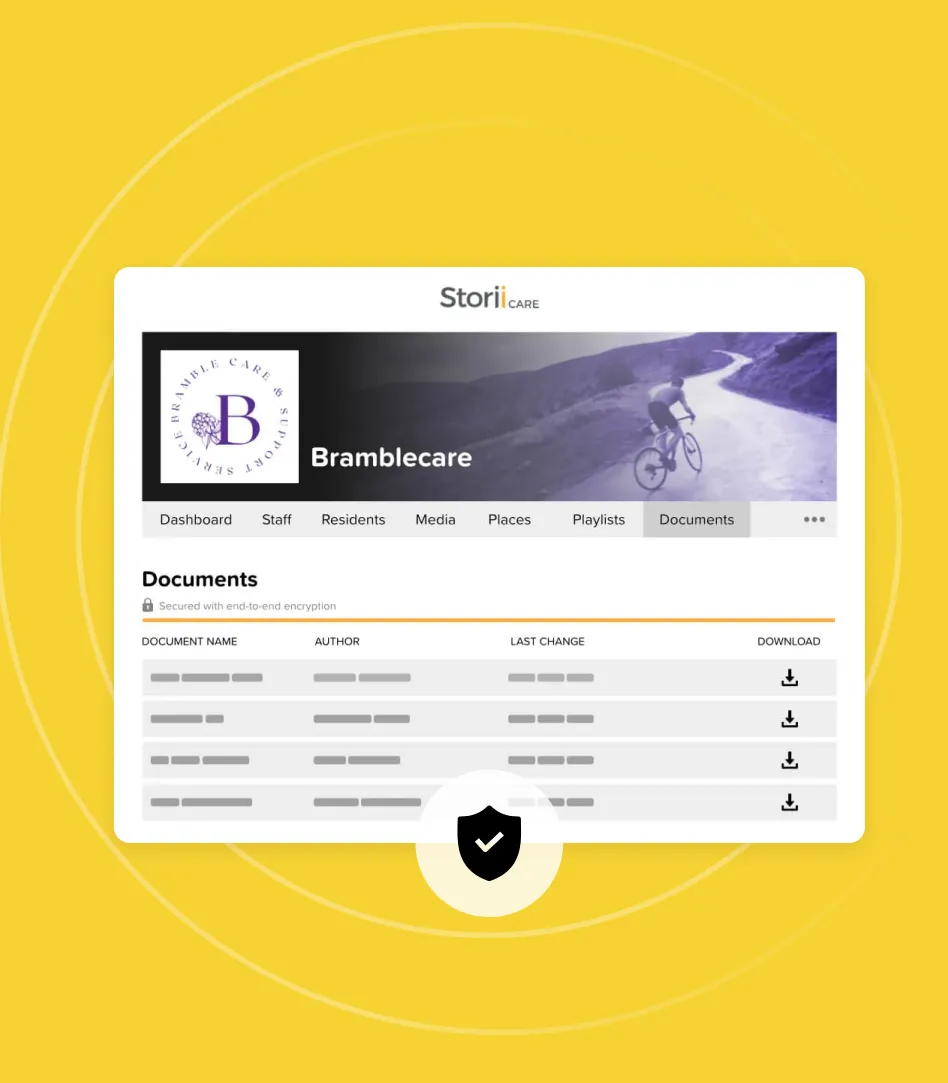
O StoriiCare mantém os registros dos participantes atualizados e acessíveis. Planos de cuidados, avaliações, presença, relatórios de incidentes e registros de serviços ficam todos em um só lugar e podem ser acessados rapidamente quando um inspetor os solicitar. A plataforma também cria uma trilha de auditoria clara, para que você possa demonstrar não apenas que algo foi feito, mas quando foi feito e por quem.
Para centros que ainda utilizam papel, uma inspeção é frequentemente o momento em que percebem quanto tempo estão perdendo e quanto risco estão correndo. Registros digitais não eliminam o risco de inspeção, mas tornam significativamente mais fácil demonstrar a conformidade pela qual você trabalhou durante todo o ano.
Uma inspeção estadual não deve ser uma surpresa. Deve ser uma confirmação do que você já sabe sobre o seu programa.
Quer ver como o StoriiCare mantém você pronto para auditorias? Solicite uma demonstração em storiicare.com.